
The evolution of casinos A journey through history and culture in Onlyspins
The Origins of Gambling
The concept of gambling can be traced back thousands of years, originating in ancient civilizations. Early records from China, Mesopotamia, and Egypt indicate that various forms of betting and games of chance were already popular. The invention of dice, believed to have been created around 3000 BC, marked a significant milestone in gambling history. These early forms of gaming served not only as entertainment but also as a means of divination and decision-making, highlighting the cultural importance of chance in human society.
In ancient Rome, gambling flourished, with citizens engaging in betting on gladiatorial games and chariot races. The Romans established rules and regulations surrounding gambling, which contributed to its acceptance in society. The use of gambling as a social activity spread through the empire, and many of the games played then laid the groundwork for modern casino games. The Romans’ penchant for games of chance showcased a blend of strategy and luck that continues to define gambling culture.
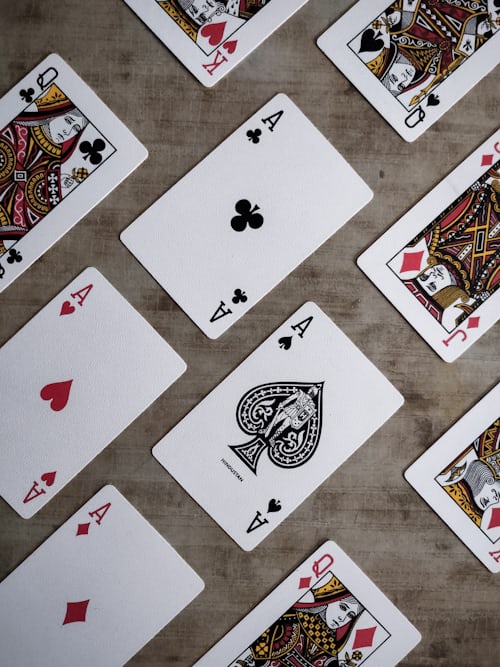
As civilizations advanced, so did the complexity of gambling games. The invention of card games in the 9th century in China introduced a new element to gambling, which would eventually migrate to Europe. By the 17th century, gambling had evolved further with the creation of early casinos in Italy. These establishments represented a shift from informal gambling in homes and streets to organized venues, setting the stage for the gambling culture that we recognize today.
The Rise of Modern Casinos
The 18th century witnessed the emergence of the first modern casinos, particularly in Europe. The Casino di Venezia, established in Italy in 1638, is often recognized as the oldest casino in existence. This establishment catered to the elite, offering a range of games, including card games and roulette. The casino experience began to take on a more luxurious and social atmosphere, attracting not just gamblers but also those seeking entertainment and social interaction.
In the 19th century, casinos began to proliferate, especially in cities like Monte Carlo and Baden-Baden. The introduction of roulette in France added a dynamic dimension to casino gaming, leading to the establishment of rules and house edges that remain integral to modern games. These venues became synonymous with glamour and high stakes, capturing the imagination of the public and making casinos a significant part of cultural identity in Europe.
With the advent of the 20th century, Las Vegas emerged as the epitome of casino culture. The legalization of gambling in Nevada in 1931 paved the way for the development of extravagant casinos that catered to tourists and locals alike. This transformed Las Vegas into a global gambling destination, where the casino experience was tied to entertainment, dining, and nightlife. The evolution from traditional gaming houses to luxurious casinos reflects a shift in societal values towards leisure and excess.
The Globalization of Gambling
The late 20th century marked a significant turning point in the globalization of gambling. Many countries began to recognize the economic potential of casinos and gambling operations, leading to the legalization of gaming in places that previously prohibited it. This shift created a wave of new casinos worldwide, from the flashy resorts in Asia to the integrated gaming complexes in Australia. The appeal of gambling extended beyond borders, bringing diverse gaming experiences and cultural influences into the fold.
The rise of technology also revolutionized the gambling landscape. Online casinos emerged in the late 1990s, allowing players to engage in gaming from the comfort of their homes. This digital transformation brought about a new era where traditional casino experiences could be replicated online. Players could access a wide range of games, live dealer options, and interactive features, making gambling more accessible than ever before.
As casinos expanded globally, they also began to embrace cultural diversity. Many casinos now offer games that reflect local traditions and preferences, creating a unique blend of global gambling culture. This fusion has enriched the gaming experience, allowing players to explore various games and practices, making gambling a multifaceted aspect of entertainment worldwide.
The Impact of Gambling on Culture
The influence of casinos extends far beyond the gaming floor. They have become cultural landmarks, often shaping the identity of the cities they inhabit. From the glamour of Monte Carlo to the vibrant atmosphere of Las Vegas, casinos are intertwined with local culture and lifestyle. They serve as venues for concerts, shows, and events, enhancing their role as entertainment hubs. The portrayal of casinos in movies and literature has also contributed to their mystique and allure, capturing the imagination of countless individuals.
Additionally, casinos often contribute significantly to local economies through job creation and tourism. They attract millions of visitors who contribute to hospitality, entertainment, and retail sectors. The economic impact of casinos has led to investments in infrastructure and community projects, underscoring their role as engines of growth in many regions. However, this growth is accompanied by social implications, as discussions about responsible gambling and addiction continue to shape the narrative around casinos.
Furthermore, the ongoing evolution of casinos reflects changing societal attitudes towards gambling. As perceptions shift, many casinos are implementing responsible gaming measures to promote safer gambling practices. This proactive approach seeks to balance the enjoyment of gaming with the need for protection against the potential harms of gambling, fostering a culture of responsibility in the industry.
Onlyspins: The Future of Online Gambling
Casino is a contemporary embodiment of the evolution of gambling, merging traditional gaming experiences with modern technology. With a vast selection of over 12,500 games, it caters to a diverse audience, allowing players to enjoy classic table games, innovative slots, and immersive live dealer experiences all in one platform. This extensive variety not only reflects the rich history of casinos but also highlights the ever-expanding possibilities of online gaming.
prioritizes user experience, offering generous bonuses and a VIP program designed to enhance player engagement. This commitment to customer satisfaction is a testament to the changing landscape of gambling, where players are seeking more than just games; they want an experience. The seamless integration of a dynamic sportsbook further enriches the offerings, giving users the flexibility to engage in both casino gaming and sports betting, fulfilling a wide range of interests.
Security and ease of use are paramount at , which features 24/7 customer support and trusted payment methods. This focus on providing a safe and user-friendly environment reflects the evolution of online gambling, where players can enjoy their favorite games without concerns about security. As the industry continues to evolve, platforms like are at the forefront, shaping the future of online gaming while honoring the rich history and culture of casinos.